


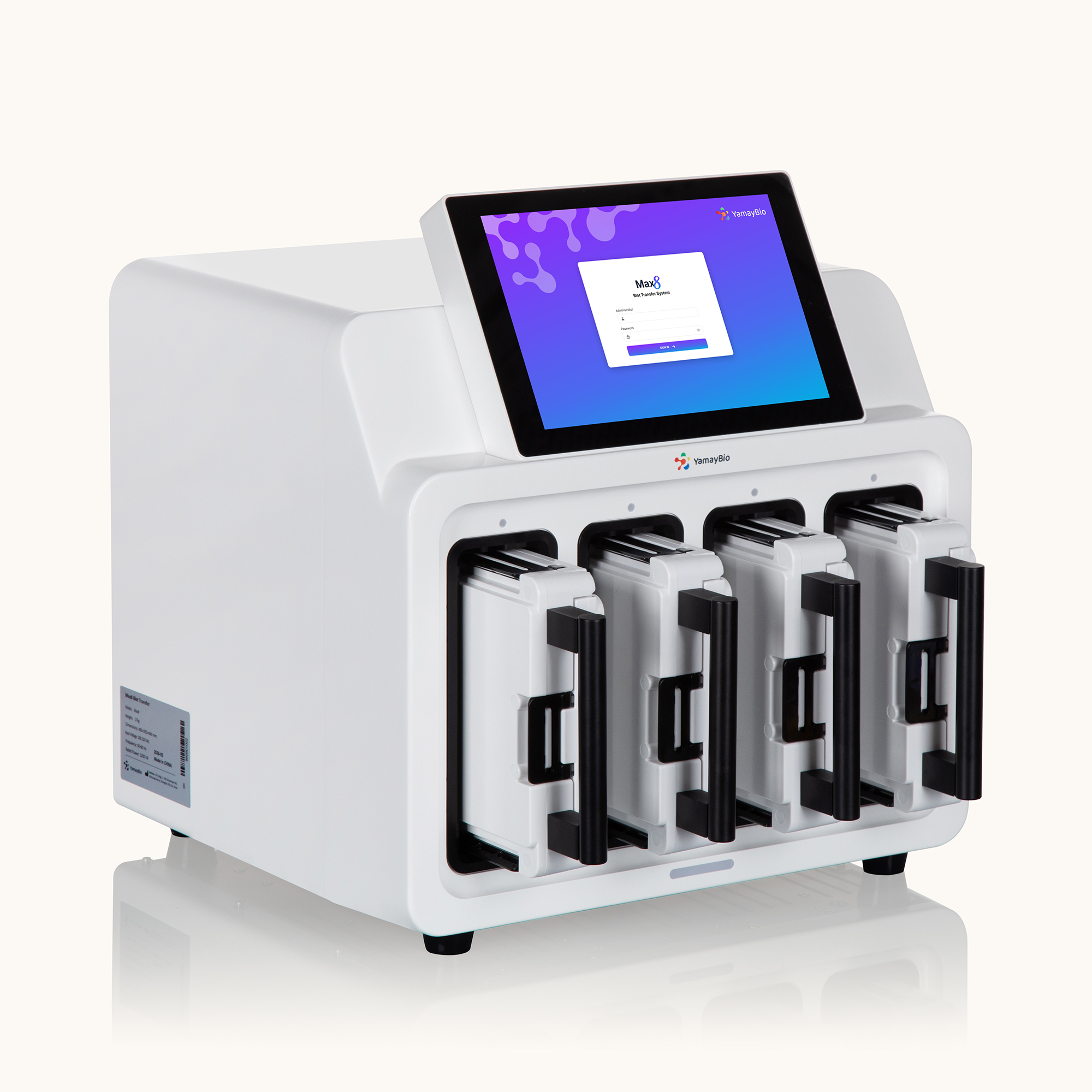
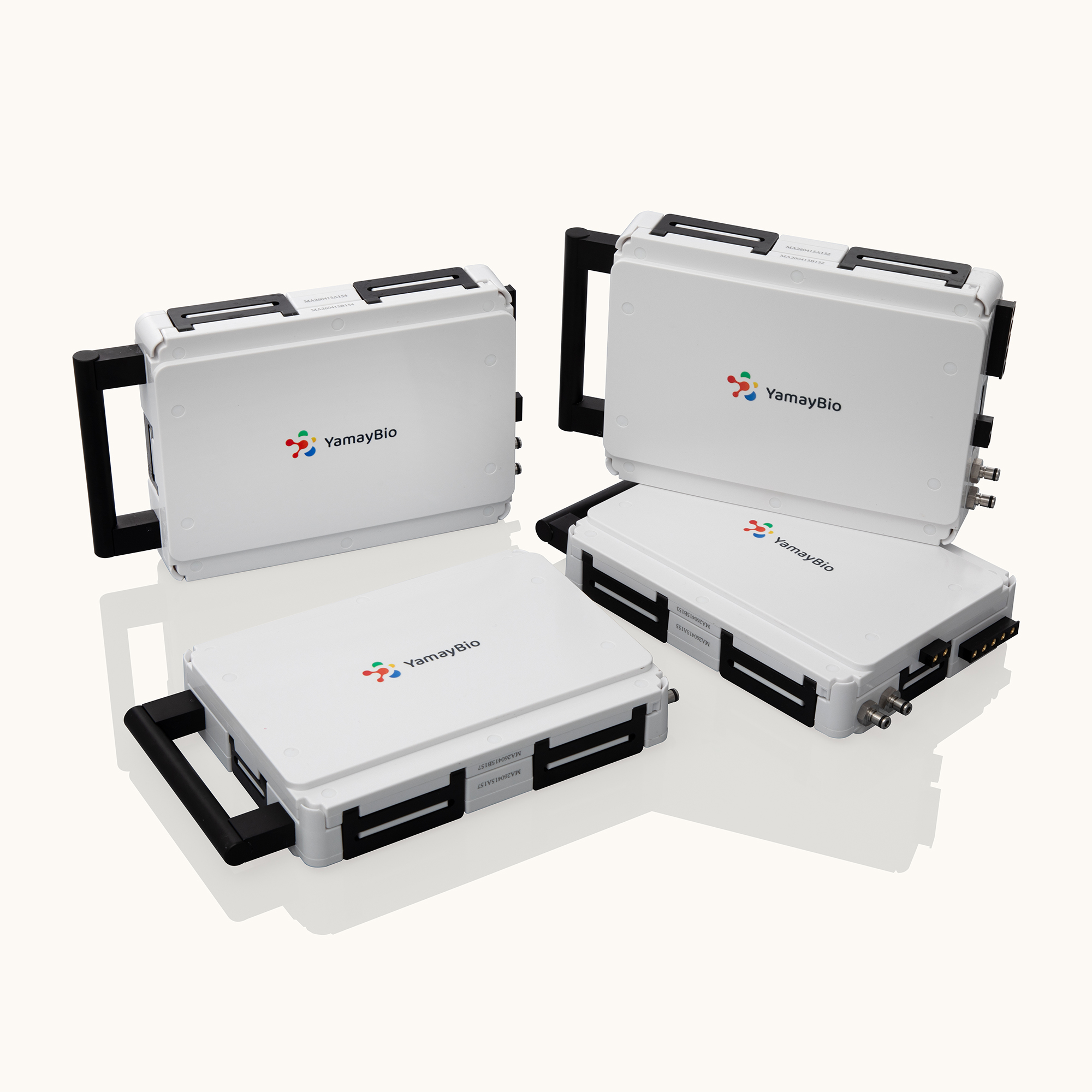

Max Series Blot Transfer System
The Max Series Blot Transfer System combines the advantages of wet and semi-dry transfer technologies to deliver fast, uniform, and highly reproducible protein transfer in a fraction of the time required by conventional methods. Read more
Interested in this product? Contact us for a demo, pricing, and more information.
Instructional Video: https://www.youtube.com/watch?v=JEk5e_CDlOg
The Max Series Blot Transfer System combines the advantages of wet and semi-dry transfer technologies to deliver fast, uniform, and highly reproducible protein transfer in a fraction of the time required by conventional methods. Engineered for high-throughput laboratories, it supports parallel processing of multiple gels while maintaining efficient transfer across a broad molecular weight range. Its intuitive interface and streamlined workflow simplify daily laboratory operations.
KEY FEATURES

Scalable & Flexible Workflow

Fast & Efficient Transfer

High Reproducibility & Consistent Results

Broad Molecular Weight Compatibility

High Transfer Sensitivity

Easy-To-Use Interface
Scalable & Flexible Workflow
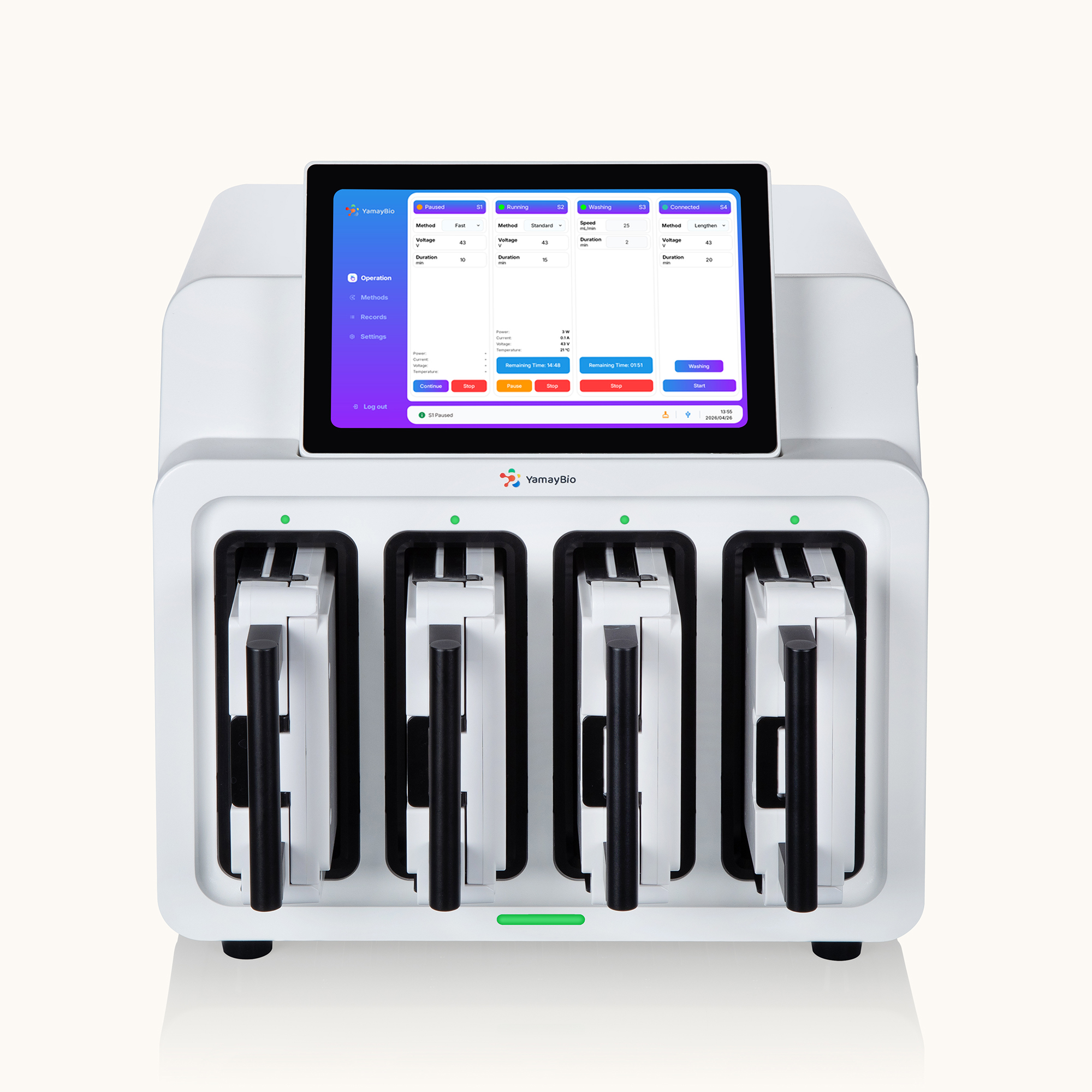
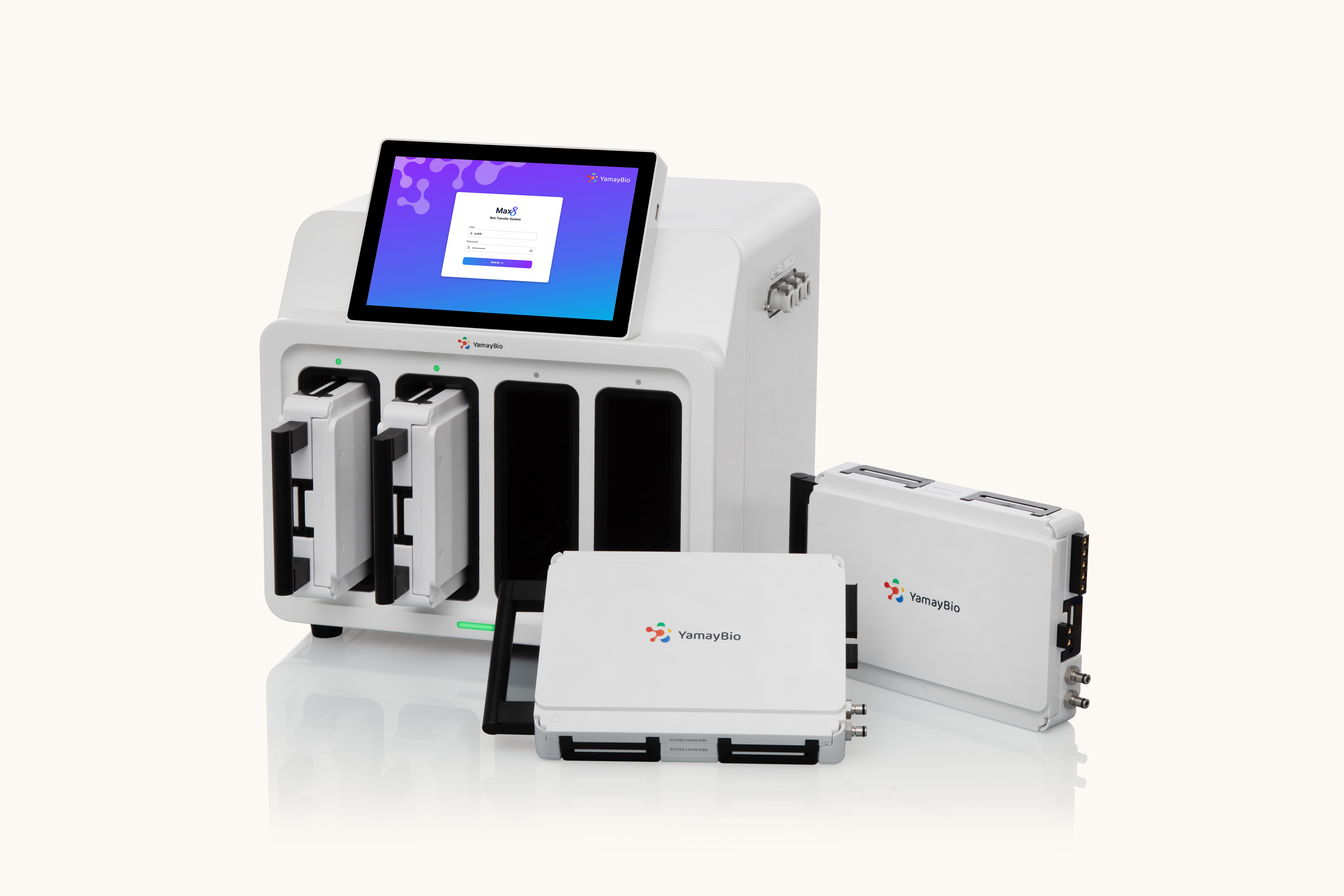
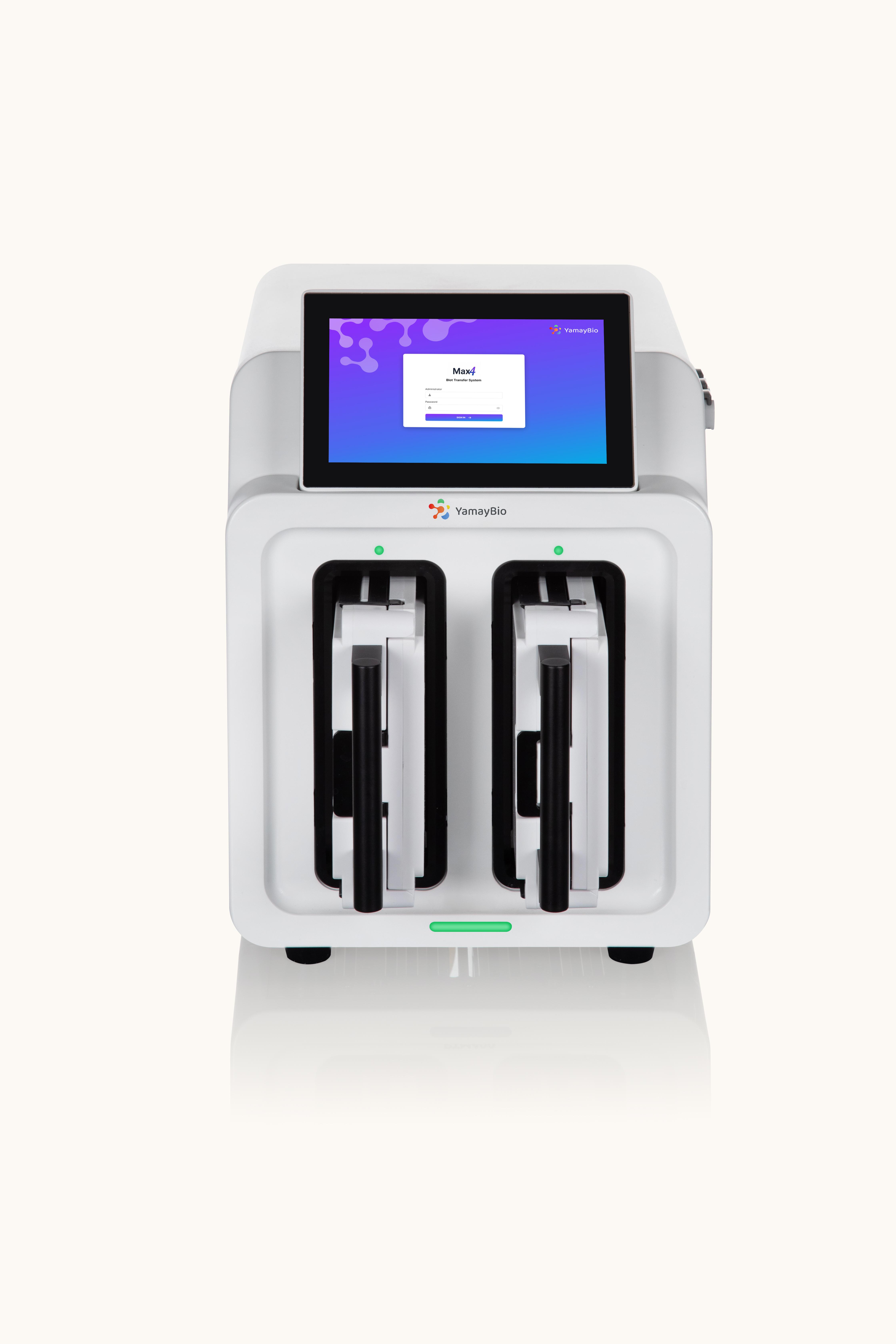
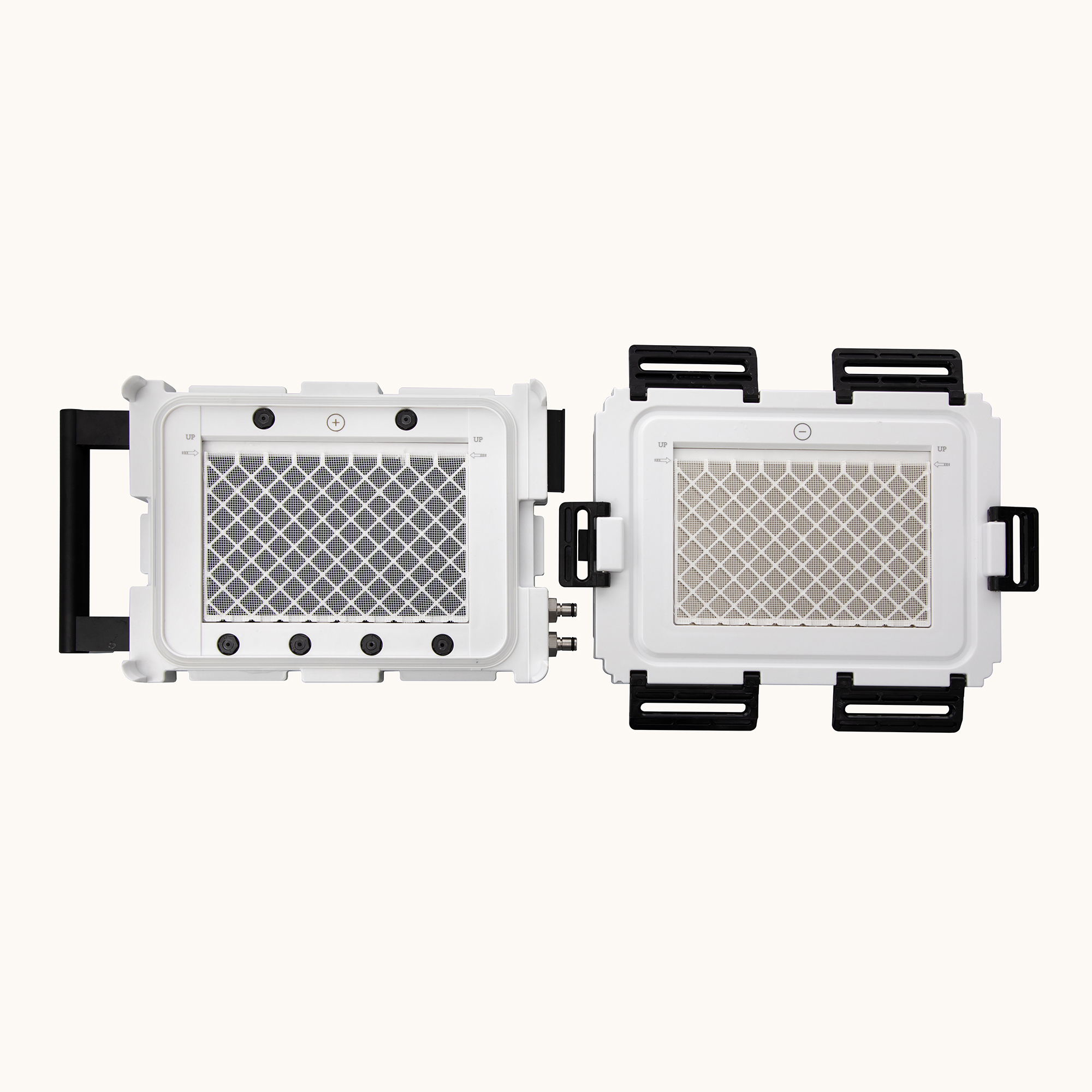
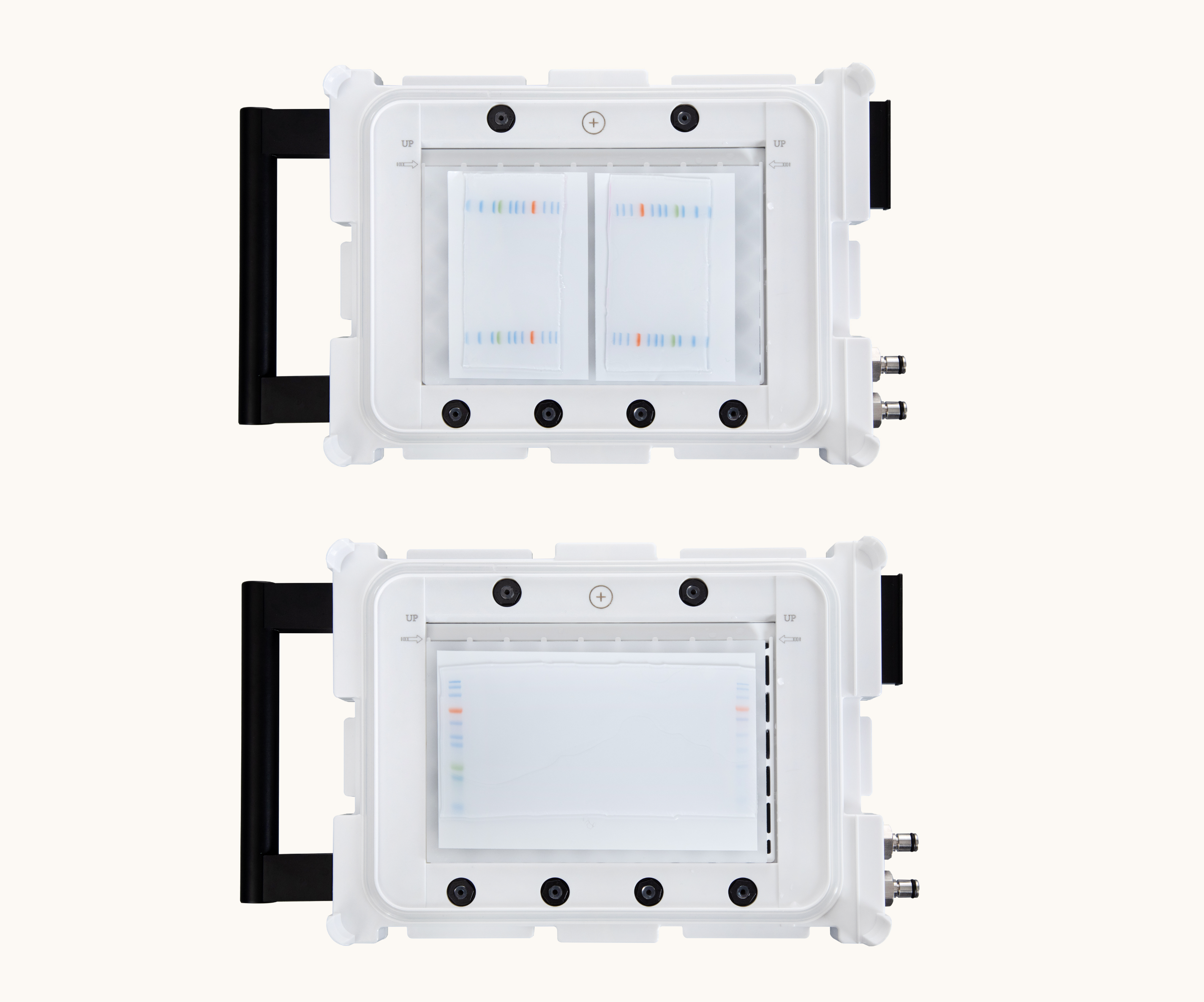
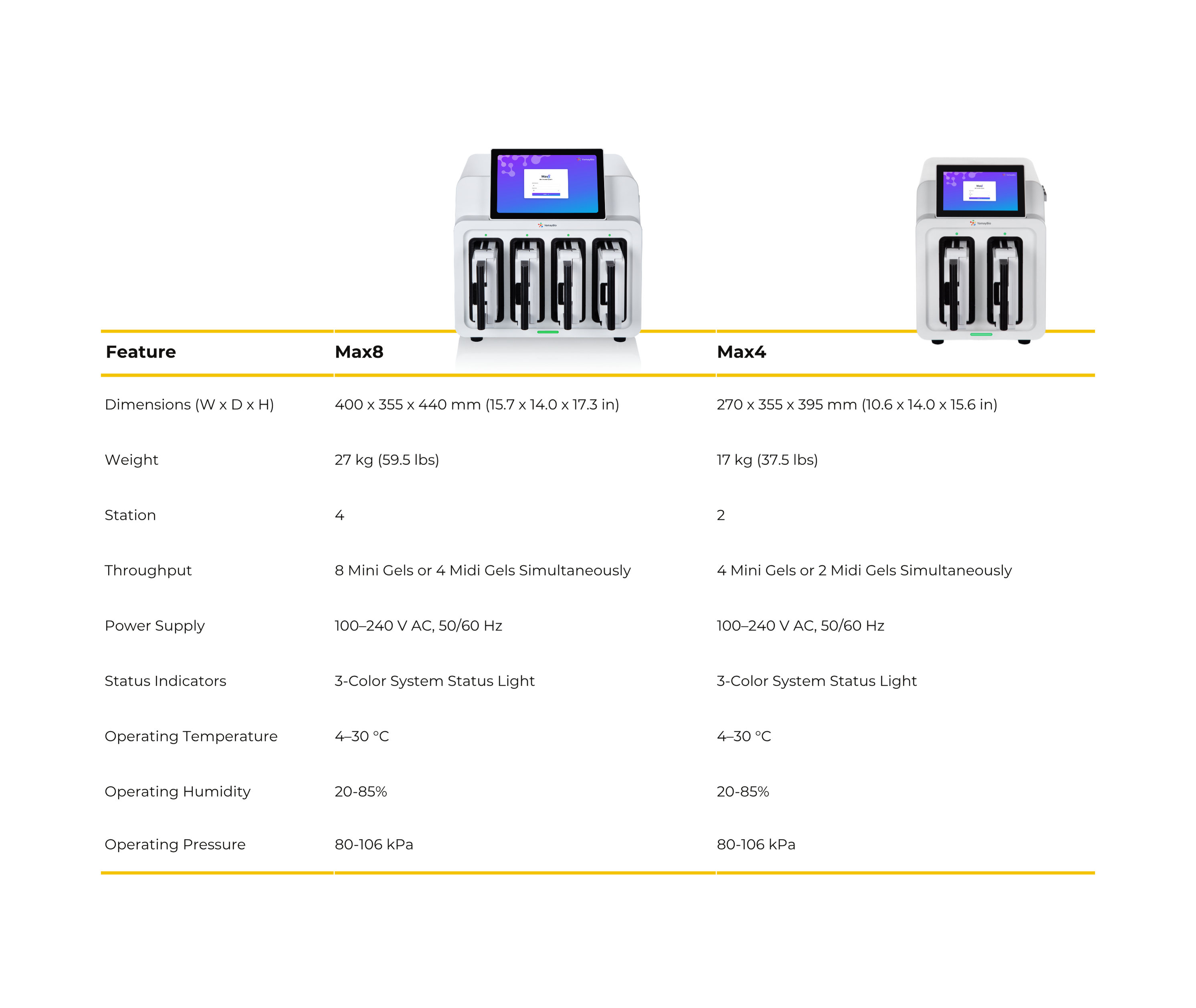
The Max8 features four independently controlled transfer stations, enabling simultaneous processing of up to 8 mini gels or 4 midi gels. Each station supports flexible gel configurations and transfer programs.(The Max4 features two transfer stations that support the simultaneous processing of up to 4 mini gels or 2 midi gels.)
Flexible workflow. Each station accommodates either 2 mini gels or 1 midi gel.
Fast & Efficient Transfer
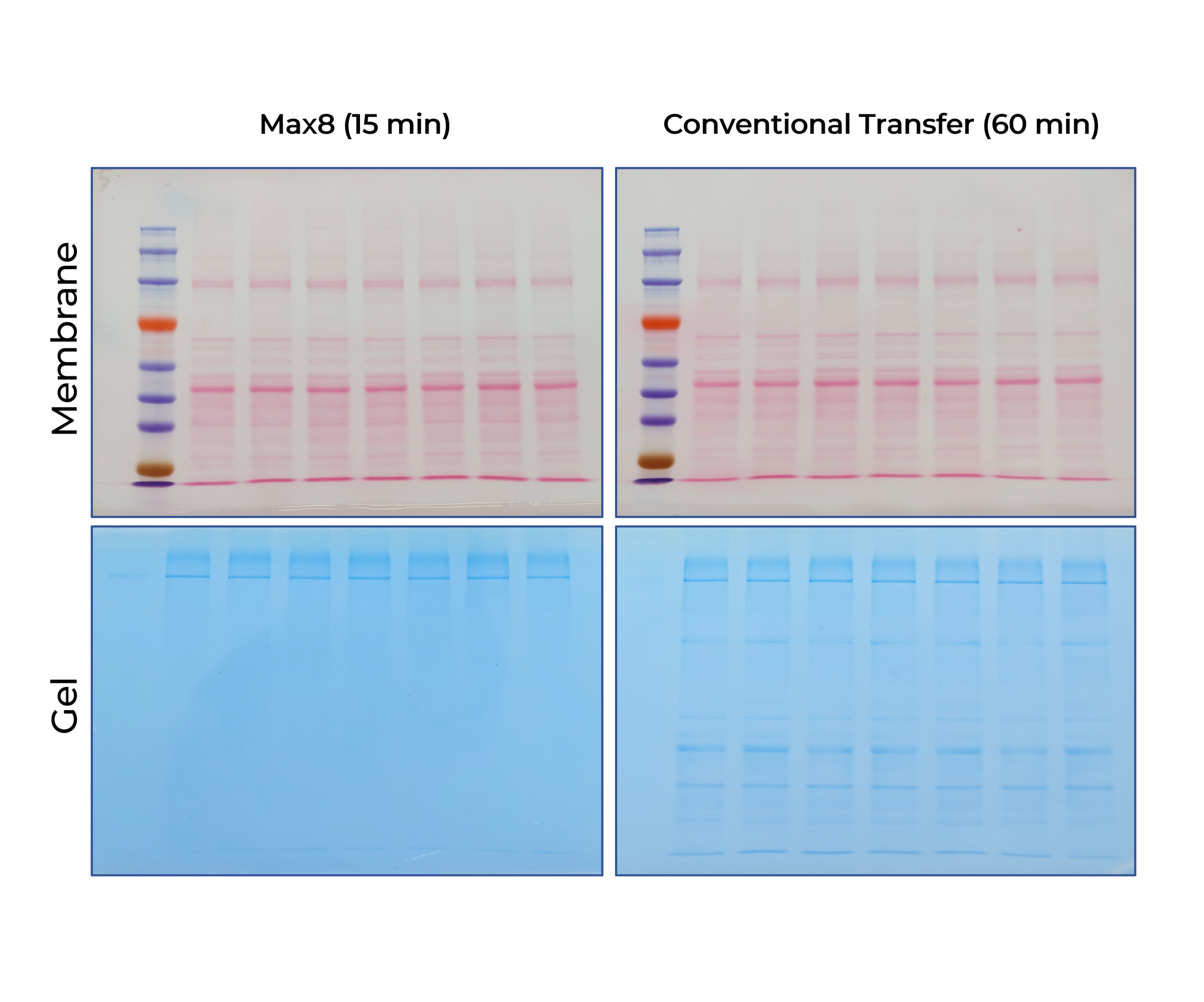
The system delivers efficient, uniform, and reliable protein transfer across a broad molecular weight range, with performance comparable to conventional wet transfer.Comparison of Protein Transfer Efficiency. Mouse muscle lysates (10 μg per lane) were separated on a 10%Tris–Glycine gel (1.5 mm). Proteins were transferred using the Max8 system (Standard method,15 min) or conventional wet transfer (300 mA, 60 min). Ponceau S–stained membranes and Coomassie-stained gels after transfer are shown.
High Reproducibility & Consistent Results
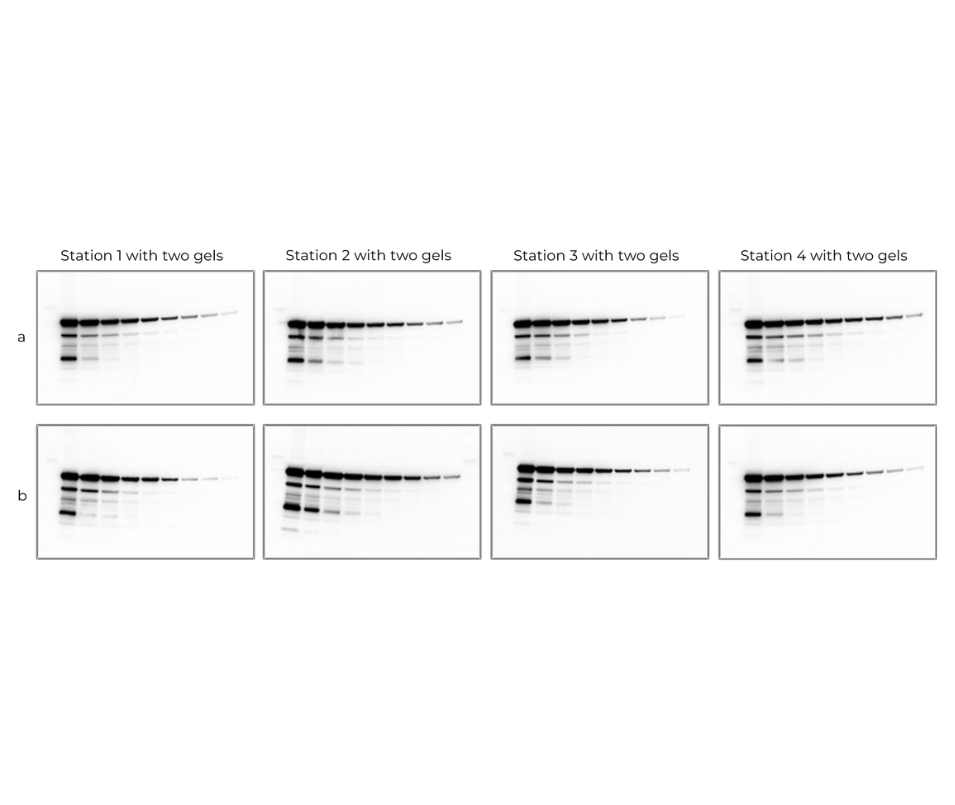
The instrument demonstrates reproducible transfer across four independent stations and high transfer uniformity within individual gels.Consistent Station-to-station Transfer. Mouse skeletal muscle lysates separated on a 4–20% Bis-Tris precast gel with serial dilutions from 10 to 0.039 μg per lane. Proteins were transferred across four Max8 transfer stations using the Standard method and detected using an HRP-conjugated anti-GAPDH antibody.
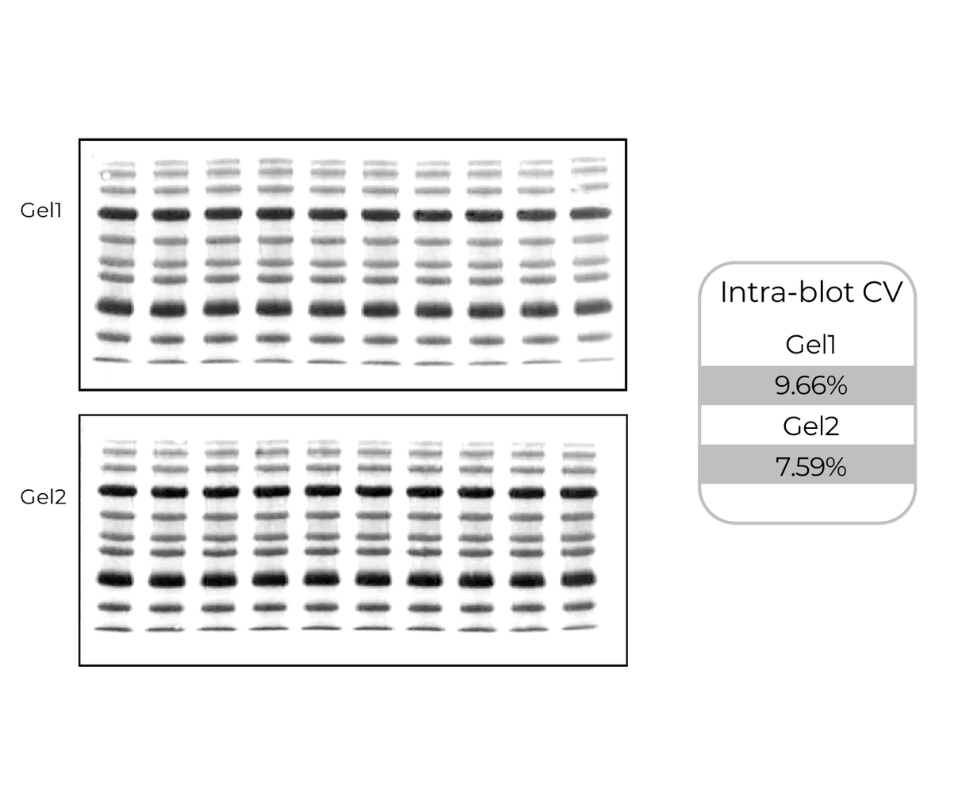
Consistent Performance Across Lanes. Equal amounts of protein ladder were loaded into each well for SDS-PAGE separation. Gels were transferred using the Max8 Standard method. The results demonstrate high intra-blot consistency when processing two mini gels within the same station.
Broad Molecular Weight Compatibility
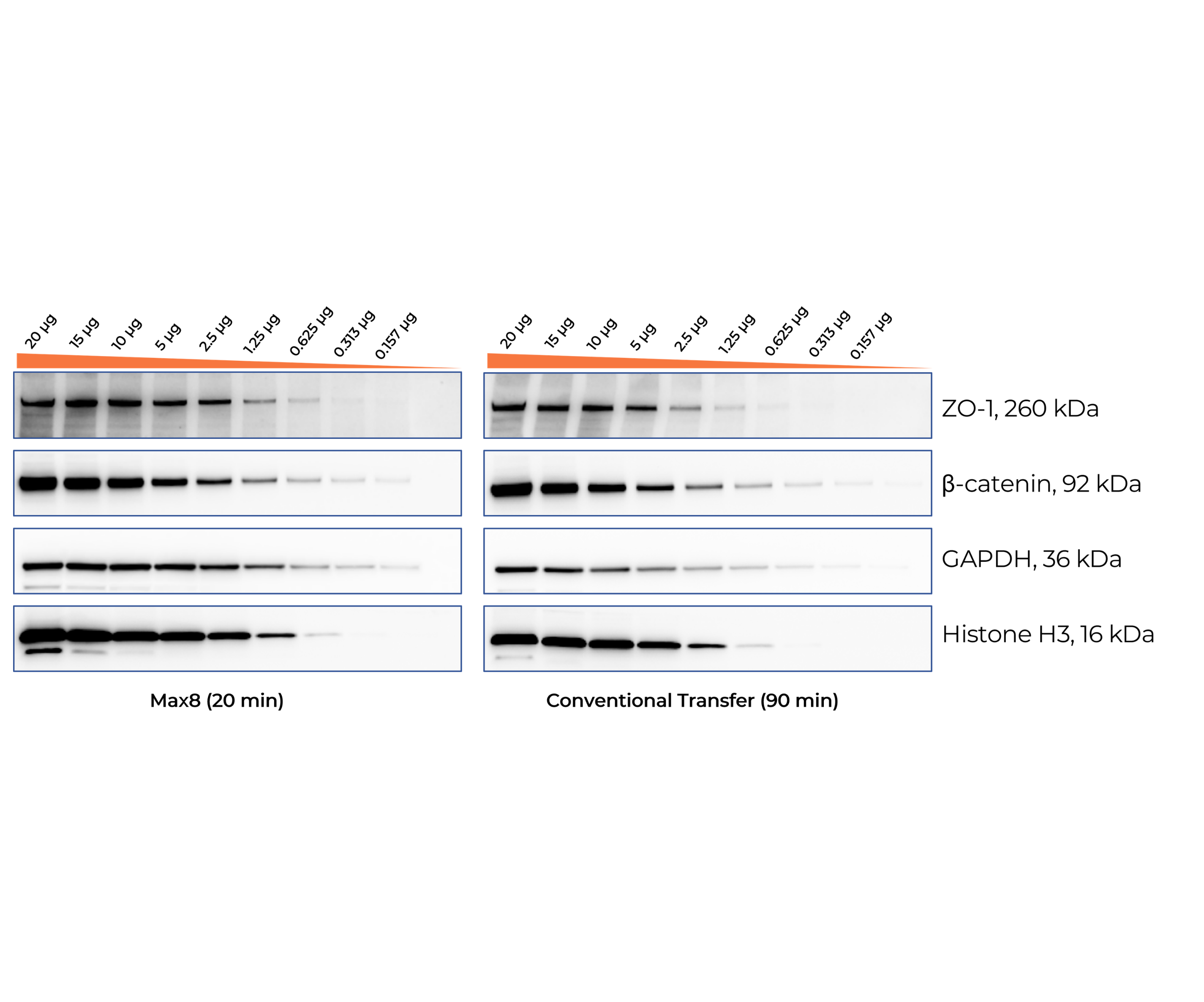
The Max8 delivers strong signal intensity and consistent transfer across a broad molecular weight range (16-260 kDa) on a single membrane. The system also enables efficient transfer of high-molecular weight proteins up to 469 kDa.Broad Molecular Weight Protein Transfer Performance. PC12 cell lysates were separated on a 4–20% Bis-Tris precast gel with serial dilutions from 20 to 0.157 μg per lane. Proteins were transferred using the Max8 system (Extended method, 20 min) or conventional wet transfer (300 mA, 90 min) and detected by chemiluminescence.
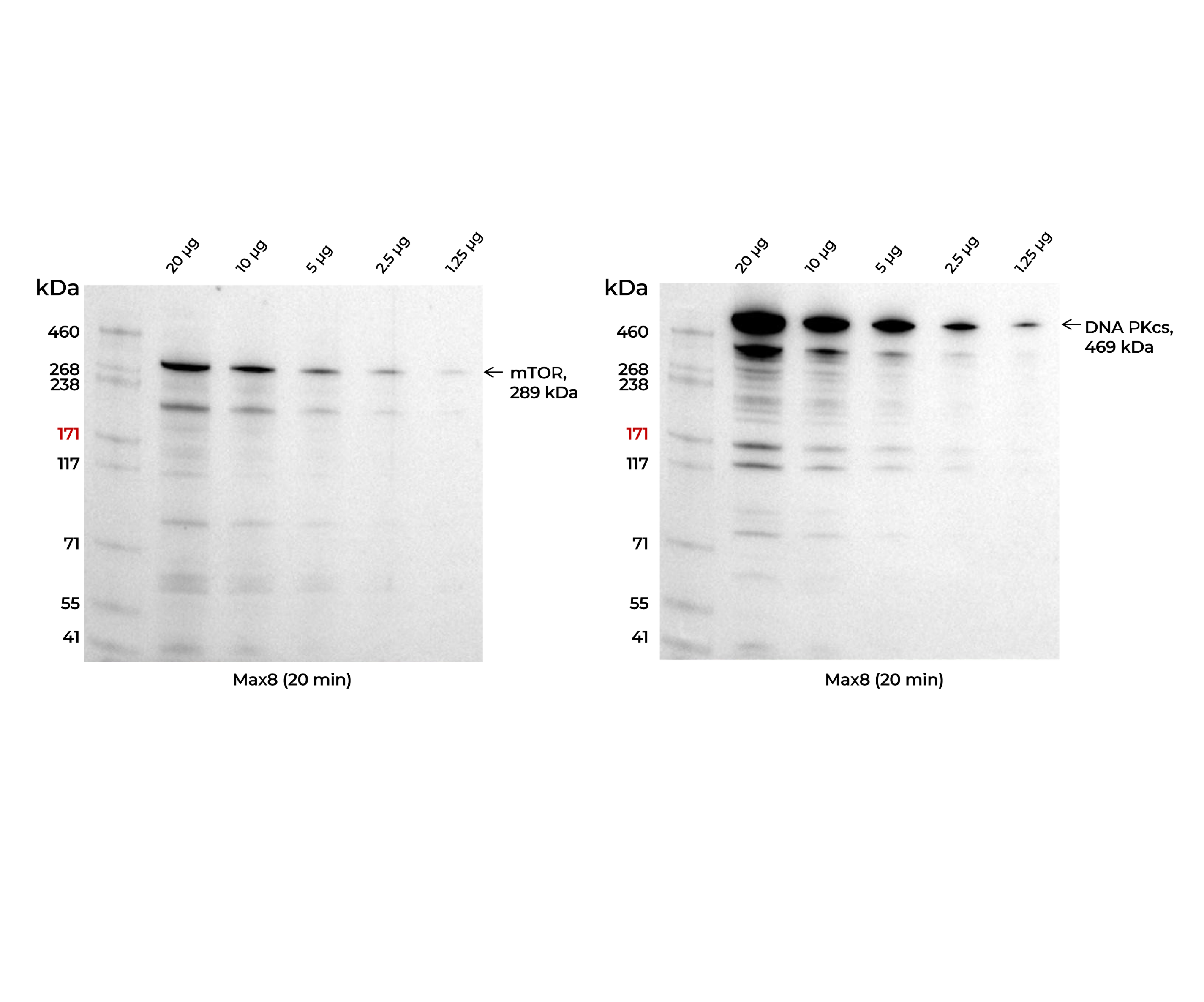
Excellent transfer performance for ultra-large proteins. HeLa cell lysates were separated on a 4–8% Tris-Acetate gel with serial dilutions from 20 to 1.25 µg per lane. Proteins were transferred using the Max8 system (Extended method, 20 min) and detected by chemiluminescence.
High Transfer Sensitivity
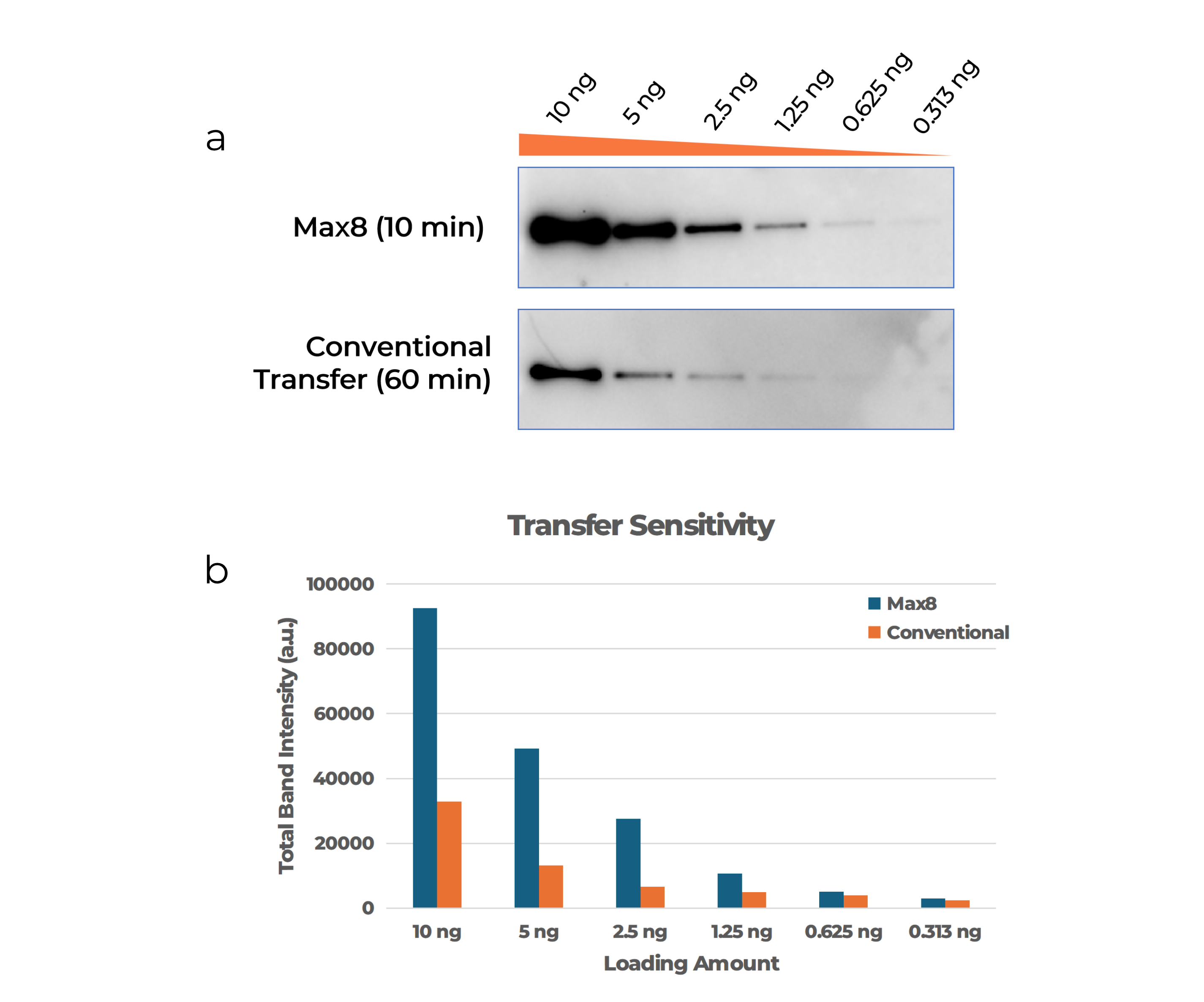
The Max8 enables sensitive detection of low-abundance proteins, delivering on average 2.57-fold higher total band intensity compared to conventional methods.Protein Transfer Sensitivity Comparison. Recombinant GFP was separated on a 4–20% Bis-Tris gel (1 .0 mm, MOPS) with serial dilutions from 10 to 0.313 ng per lane. Proteins were transferred using the Max8 system (Fast method, 10 min) or conventional wet transfer (300 mA, 60 min) and detected by chemiluminescence using an anti-GFP antibody (a). Quantification of total band intensity is shown in (b).
Easy-To-Use Interface
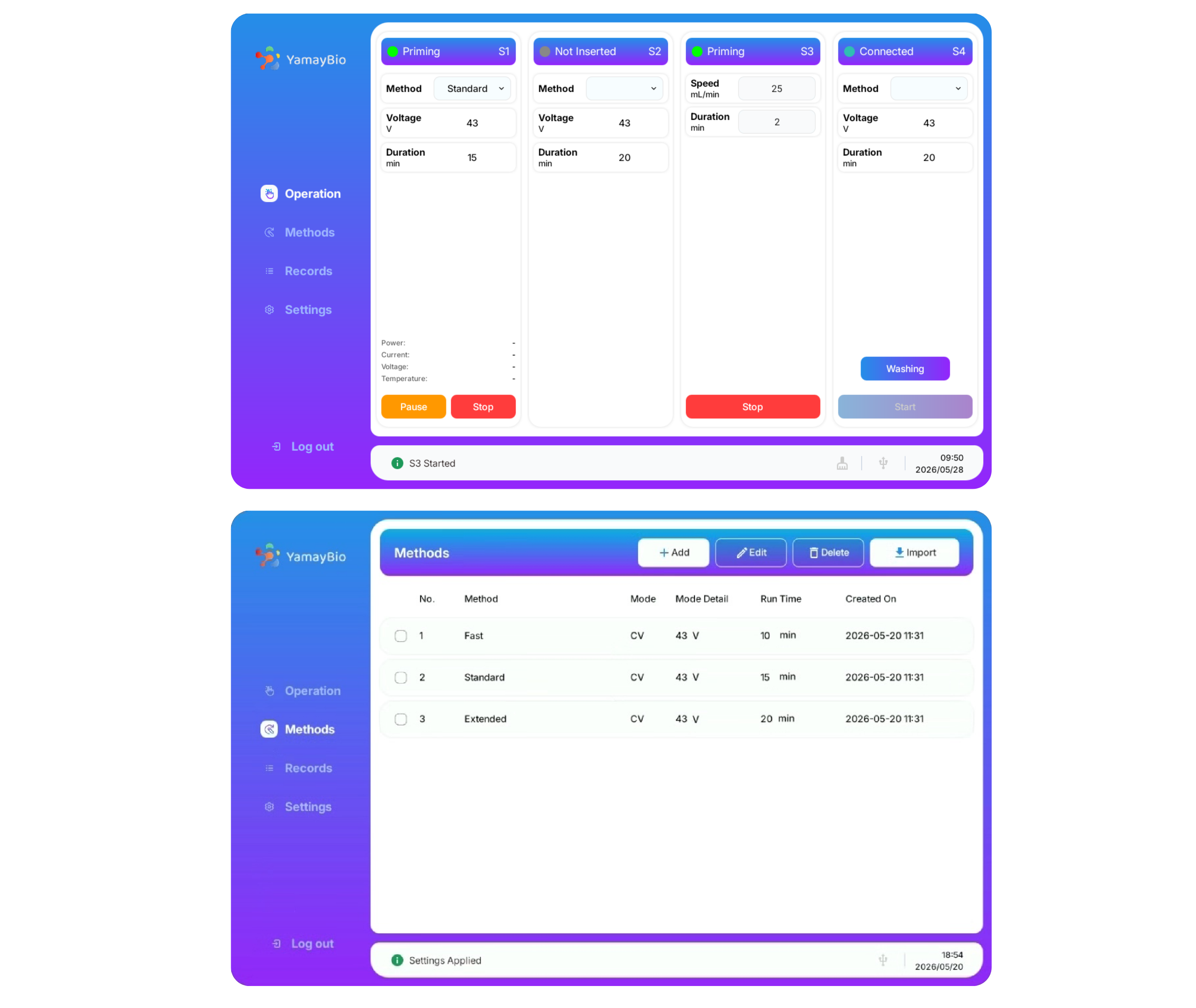
The intuitive touchscreen interface provides guided operation through an intuitive touchscreen interface, allowing for fast setup with minimal user training.Screenshots showing multiple transfer stations operating independently (top) and method selection (bottom).
Related Products
Solutions and Granules
Transfer Buffer Instant Granules
Product Code: MS8134

Equipment
Max Series Accessories
Product Code: M8101A3 / M8101A4 / EICM0473 / EICM0385 / EICM0070 / EICM0135
Equipment
Membranes and Sponge Pad (For Max Series)
Product Code: M8013 / BPM8022 / BNM8022 / MIDIBP022 / MIDIBN022 / PVDFMR022 / NCMR022
Product Manual


Request a Demo